Residential Solar Systems in Geelong & Surrounds
Geelong and surrounds


Our Approach
We Start With
Your Life, Not
Your Roof
Before we look at your roof or talk about panels, we want to understand how you live. How much power are you using during the day? Are you home or at work? Are you planning to get an electric vehicle, an induction cooktop, or a heat pump in the next few years? Are you retiring soon and going to be home more?
All of this matters because a solar system should be designed around your actual consumption and where your household is going, things like switching to an EV or adding a heat pump down the track. We never oversize a system to sell you more panels, and we never design for winter production because that doesn't reflect how your system will perform most of the year.
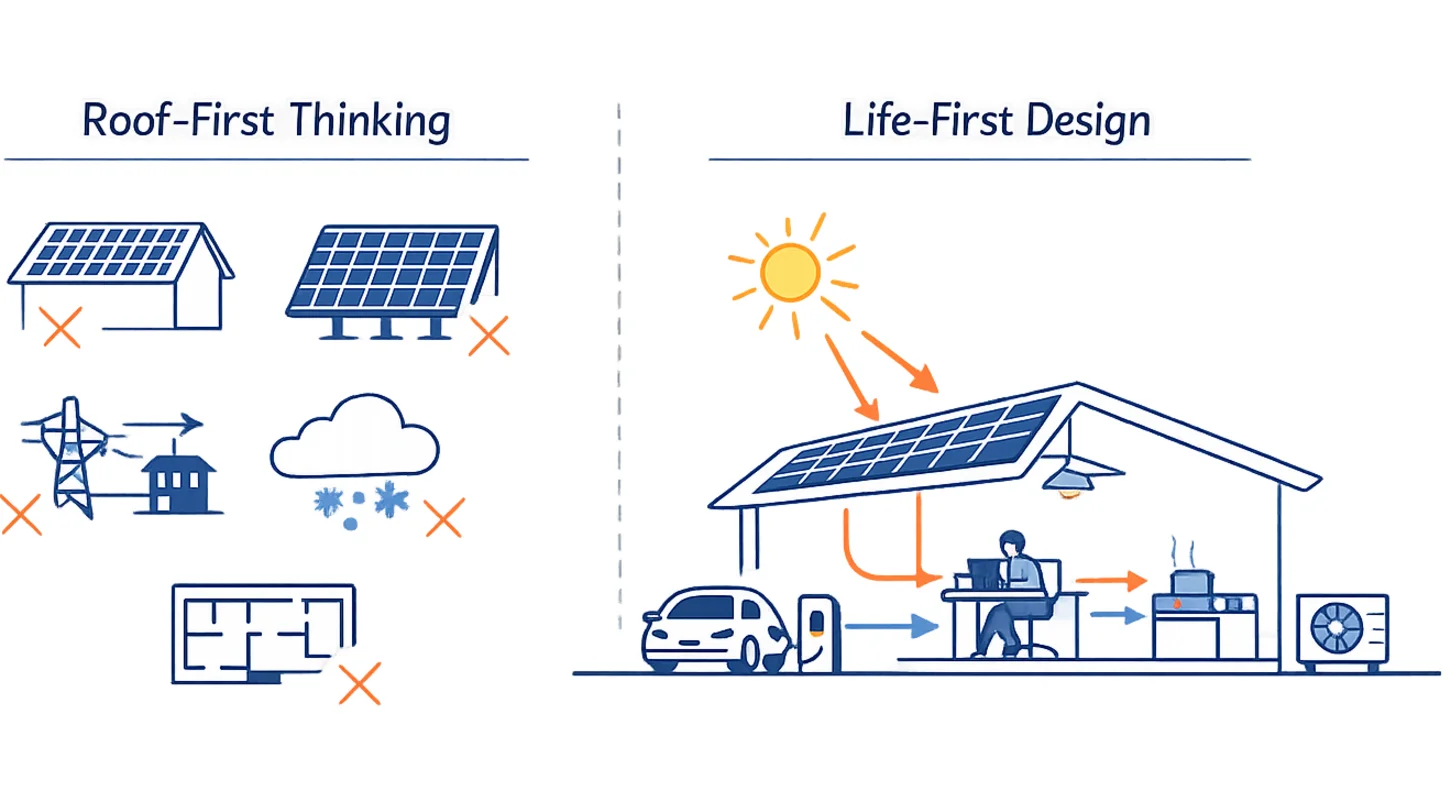
The goal is simple: cover your own usage first. Not to send power back to the grid for a measly one cent per kilowatt hour. To power your home.
How Solar Works
Sunlight In, Savings Out
Sunlight hits panels
Solar panels on your roof convert sunlight into DC electricity.
Inverter converts it
The inverter turns DC into AC power that your home can use.
Home uses it first
Everything running in your home gets powered by solar first.
Battery stores the rest
Anything left over charges your battery for tonight.
With Every Solar System
What We're Known For

bill reduction
install time
warranty

warranty


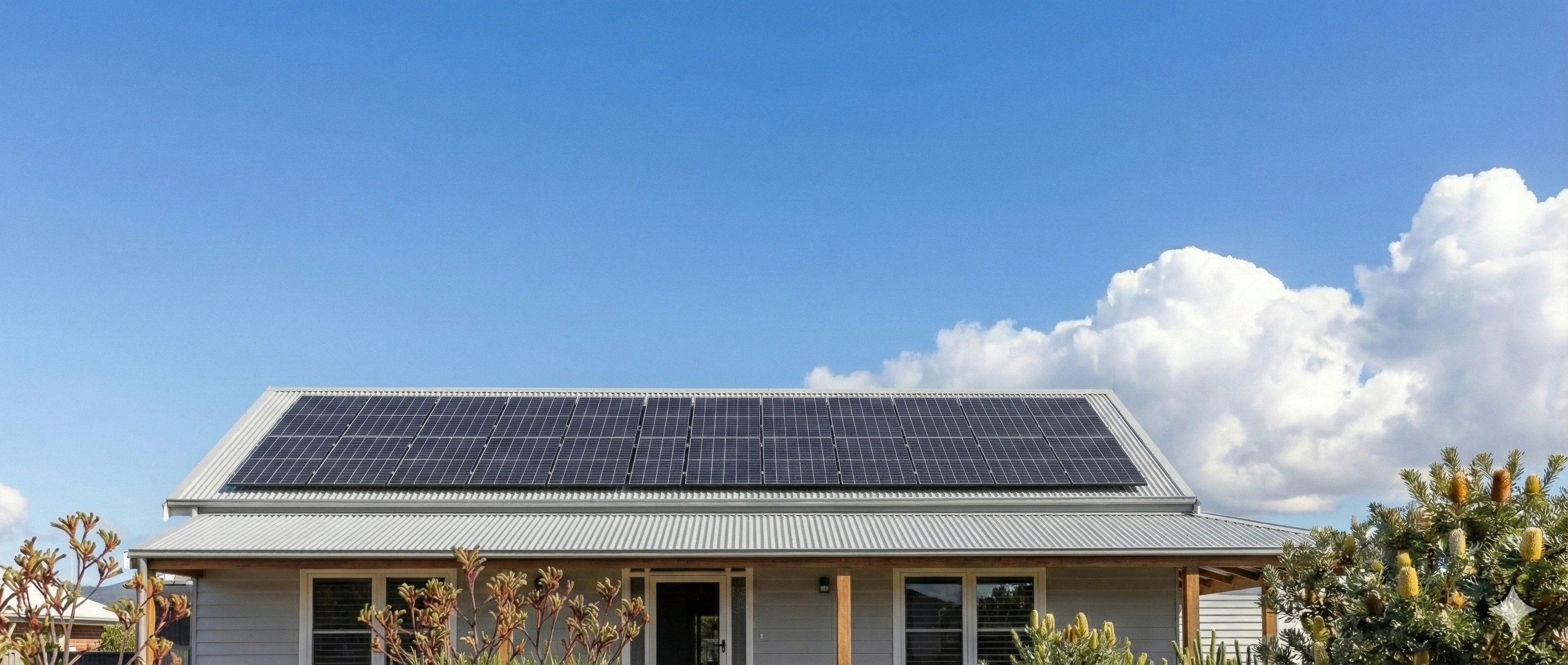

System Sizes
The Right Size for Your Home
6.6 kW ArraySuits smaller households with moderate energy use. A cost-effective entry point with strong returns. Best for: 1-2 person households | Most Common 10 kW ArrayThe most common size for a family home. Maximises the federal STC rebate and covers most daytime usage. Best for: Family homes | 13-15 kW ArrayFor larger homes, homes with pools, or households planning to add a battery, heat pump, or EV charger. Best for: Large homes & future-proofing | |
|---|---|---|---|
| Feature | 6.6 kW Array | 10 kW Array | 13-15 kW Array |
| Number of Panels | 15-18 panels | 22-26 panels | 28-38 panels |
| Daily Generation | ~24-28 kWh/day | ~38-42 kWh/day | ~50-62 kWh/day |
| Roof Space Needed | ~28-35 m² | ~40-52 m² | ~52-72 m² |
| Typical Bill Reduction | 70-85% | 80-90% | 85-95%+ |
| Inverter | Single-phase 5 kW | Single/three-phase 5-10 kW | Three-phase 10-15 kW |
| STC Rebate | ~$2,800-$3,200 | ~$3,800-$4,400 | ~$5,000-$6,200 |
| Battery Ready | Yes, can add later | Yes, ideal pairing | Yes, recommended |
| Payback Period | 3-5 years | 3-4 years | 3-5 years |
6.6 kW Array
Suits smaller households with moderate energy use. A cost-effective entry point with strong returns.
Best for: 1-2 person households- Number of Panels
- 15-18 panels
- Daily Generation
- ~24-28 kWh/day
- Roof Space Needed
- ~28-35 m²
- Typical Bill Reduction
- 70-85%
- Inverter
- Single-phase 5 kW
- STC Rebate
- ~$2,800-$3,200
- Battery Ready
- Yes, can add later
- Payback Period
- 3-5 years
10 kW Array
The most common size for a family home. Maximises the federal STC rebate and covers most daytime usage.
Best for: Family homes- Number of Panels
- 22-26 panels
- Daily Generation
- ~38-42 kWh/day
- Roof Space Needed
- ~40-52 m²
- Typical Bill Reduction
- 80-90%
- Inverter
- Single/three-phase 5-10 kW
- STC Rebate
- ~$3,800-$4,400
- Battery Ready
- Yes, ideal pairing
- Payback Period
- 3-4 years
13-15 kW Array
For larger homes, homes with pools, or households planning to add a battery, heat pump, or EV charger.
Best for: Large homes & future-proofing- Number of Panels
- 28-38 panels
- Daily Generation
- ~50-62 kWh/day
- Roof Space Needed
- ~52-72 m²
- Typical Bill Reduction
- 85-95%+
- Inverter
- Three-phase 10-15 kW
- STC Rebate
- ~$5,000-$6,200
- Battery Ready
- Yes, recommended
- Payback Period
- 3-5 years
Back-to-Base Monitoring
We'll Know Something Is Wrong Before You Do
Every system we install is connected to our back-to-base monitoring portal. Our team checks every system each morning. If something drops out, generates less than expected, or throws a fault, we see it, often before the homeowner even notices.
We've had cases where a system was intermittently disconnecting due to a Wi-Fi issue. We picked it up in our morning check, texted the client, went around and fixed it in five minutes. They had no idea anything was wrong. That's the level of ongoing support we provide.
It's not just install and walk away. We set up monitoring on the day of installation, walk you through the app, and keep an eye on your system from that point forward.
Critical fault response. If our monitoring detects a serious issue with your system, we arrange for one of our A-grade electricians to be on site within 48 business hours. We haven't encountered a critical fault yet, but the commitment is there.
Data Driven Design
We Look at Your Actual Usage, Not Just Your Bill
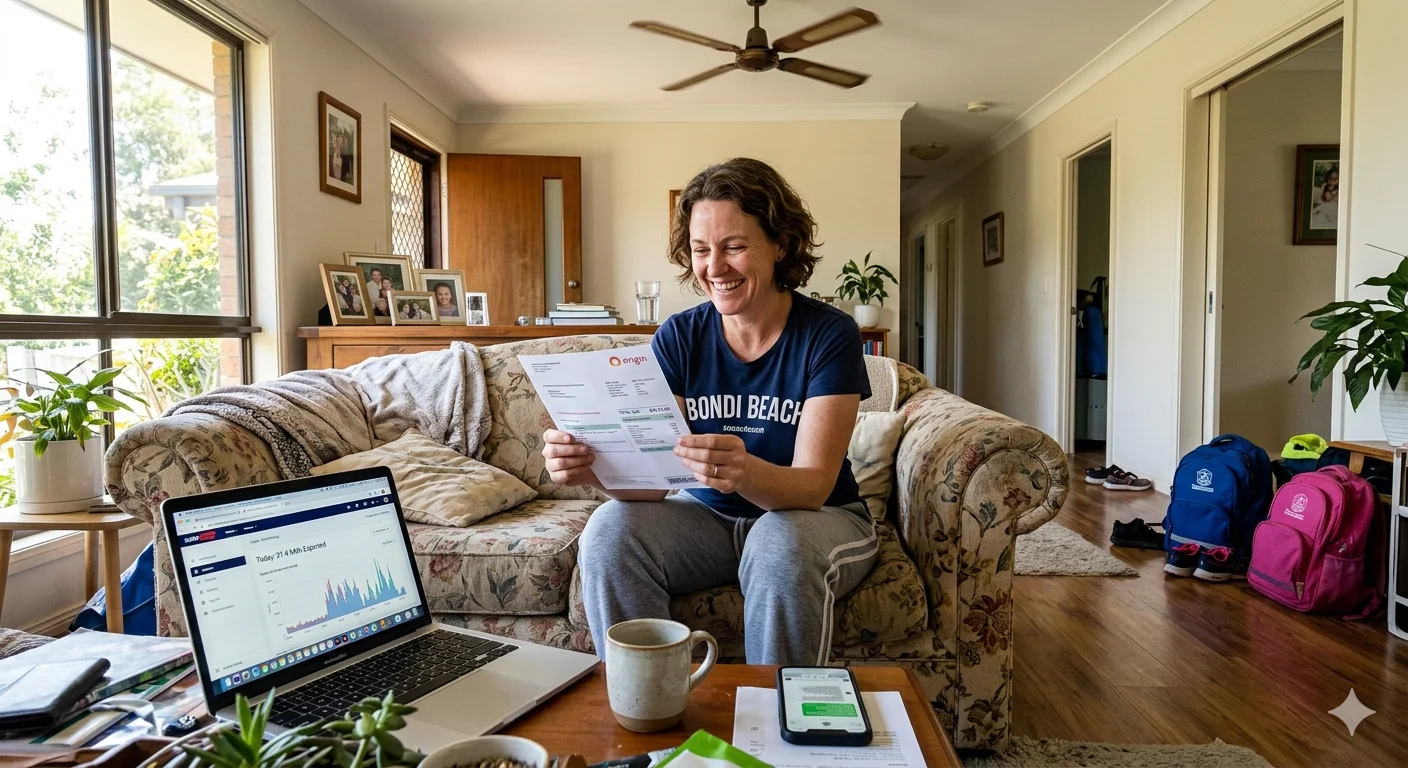
Every property in Australia has a National Meter Identifier (NMI). Using your NMI and smart meter number, we can see your electricity consumption down to half hour intervals. We can see exactly when you're using power, how much, and if you already have solar, how much your existing system is generating.
This is how we size your system accurately. Not from a bill total. Not from a generic calculator. From your actual data. We can see if you use most of your power during the day or at night, whether you have enough excess to justify a battery, and what your realistic savings and payback period will be.
We don't know any other company in the area that does this level of analysis.
Honest Advice
We'll Tell You If Solar Doesn't Make Sense
If 90% of your power is being used during the day and you don't have significant nighttime consumption, a battery might not be worth it for you right now. If your daytime usage is too low, a large solar system won't deliver the returns you're hoping for.
We will tell you this. We'd rather lose a sale than install a system that doesn't perform and have an unhappy customer. That's been our approach from day one, and it's why our clients refer their friends and family.
of solar installations in Australia are substandard, according to the Clean Energy Regulator's audit of 2,500 homes in 2024/25. That's nearly one in five.
We've never had a system made defunct by an electrical inspector. Every install adheres to AS/NZS 4777 standards. Our 10 year workmanship warranty is double the legal minimum of five years, and unlike companies offering 30 year warranties after being in business for one or two years, we've been operating in the Geelong region for over a decade. It's an honest warranty from a company that will actually be here to honour it.
Read the Clean Energy Regulator report →Complex and Architectural Homes
We Work With Your Architect and Builder
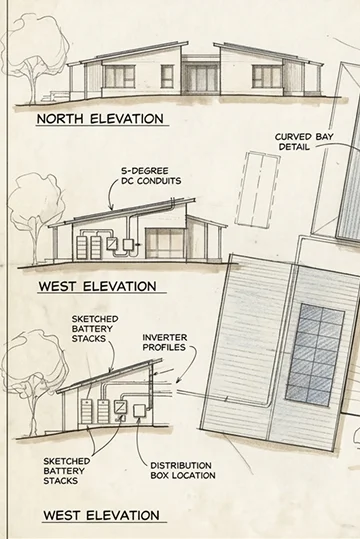
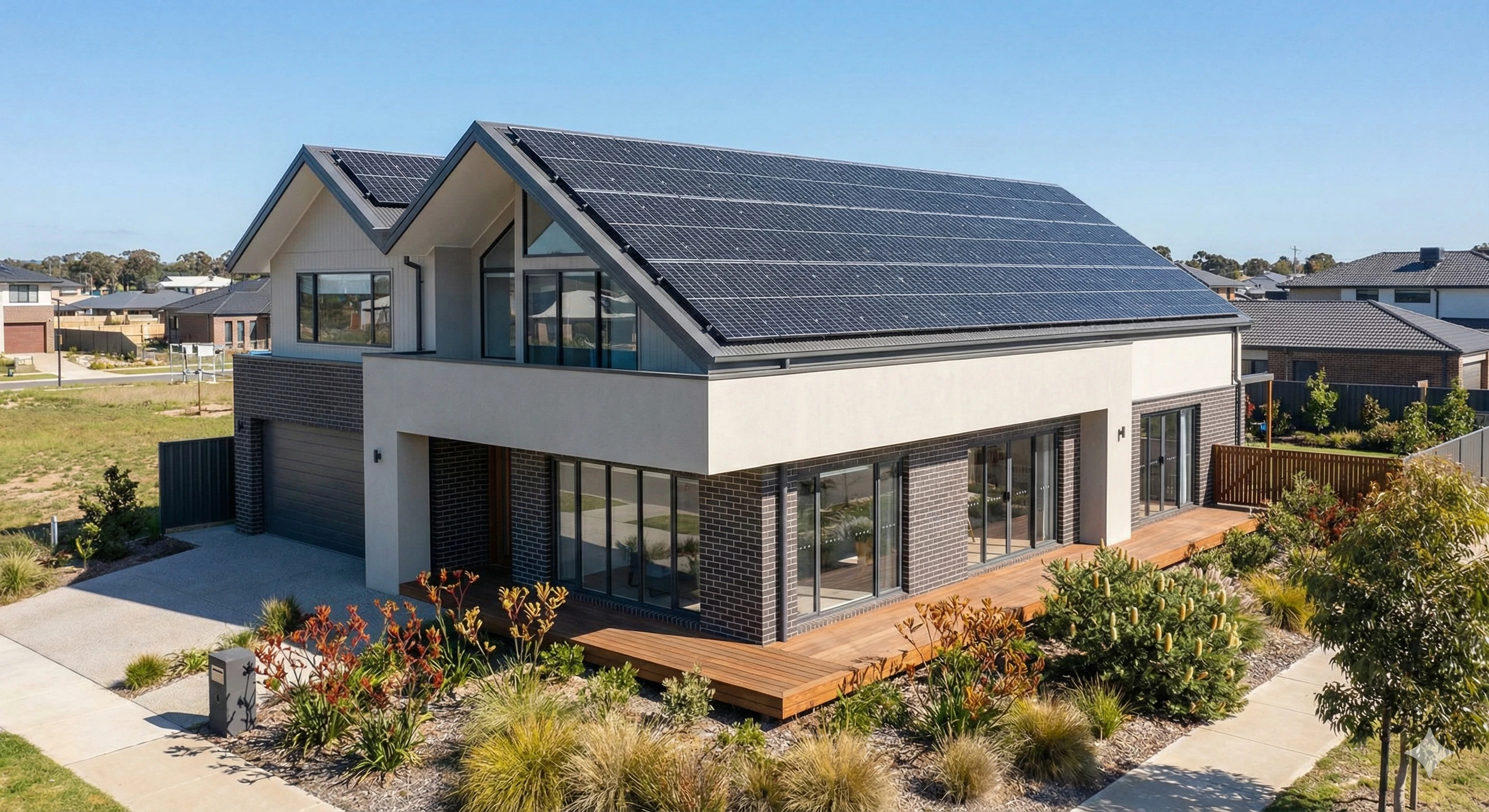
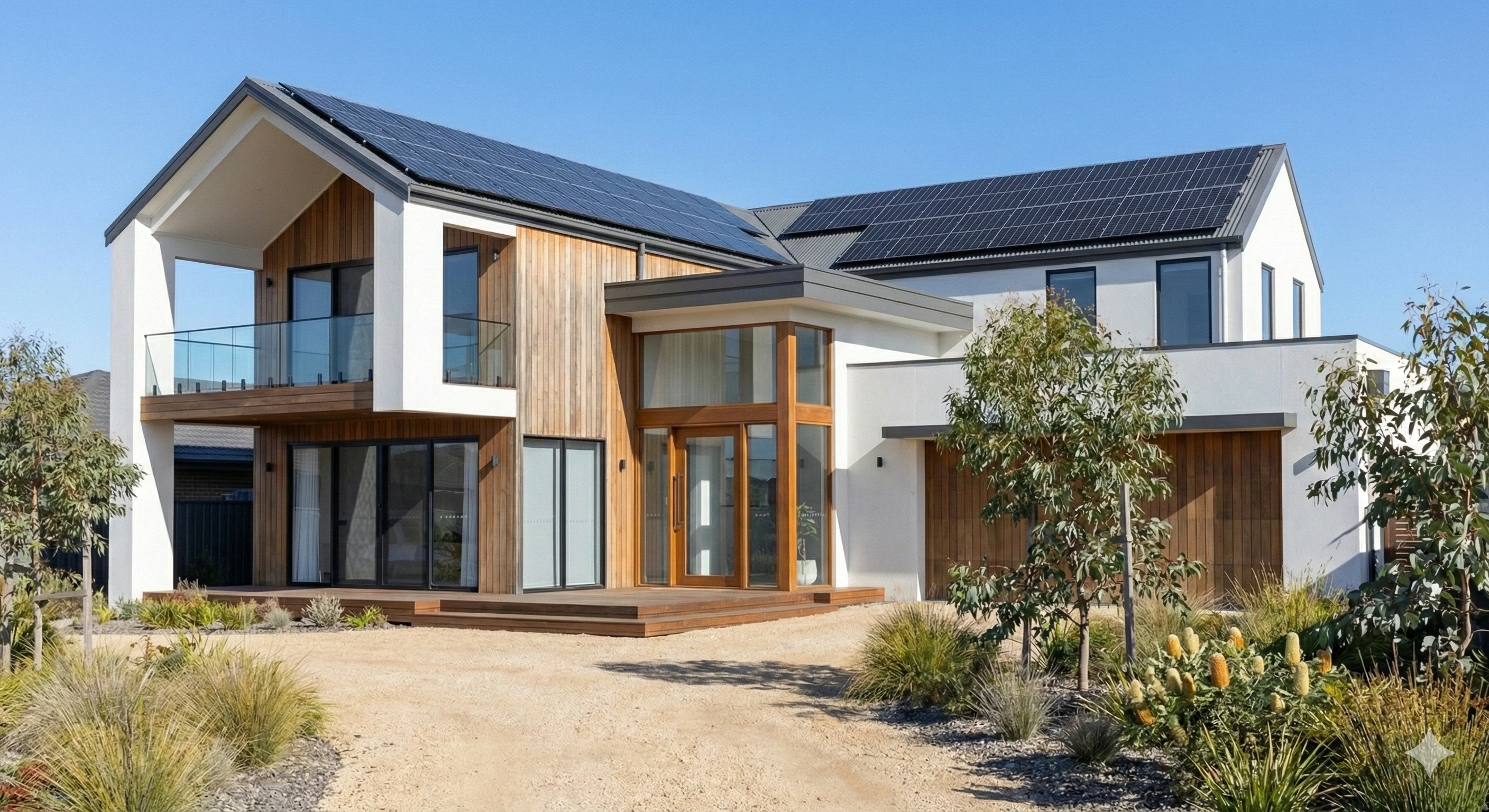
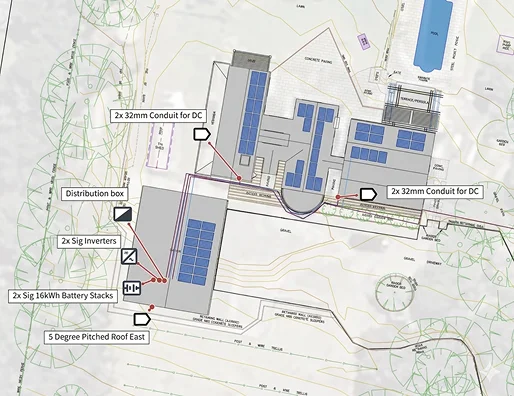
About half of our residential work is on architectural and designed homes. These are complex sites with multiple roof orientations, different phases, and homeowners who care deeply about how the system looks on their property.
We work directly with the original builders and architects to understand how the property was designed and what the best way is to run cables, mount panels, and integrate the system without compromising the aesthetic. That might mean lifting out roof sheets, cutting and reinstalling plaster, or coordinating painters to come in after us.
Other companies would run external conduit and walk away. We take the time to make sure the system fits the house, not the other way around.

Rebates and Incentives
Government Support to Lower Your Costs
The federal government provides an upfront discount on solar installations through Small-scale Technology Certificates (STCs). This is applied as a point of sale discount. You don't need to claim it separately.
Additional Victorian Government rebates may be available depending on your property and household income. As a Solar Victoria and NETCC (New Energy Tech Consumer Code) approved seller, we confirm your eligibility and may assist you with the submission of your application.
Get a Free Solar Quote
How It Works
From Enquiry to Savings
A quick five to ten minute call to understand your situation: what phases you are, how long you plan to be in the home, and whether it makes sense for us to come out.
We visit your property, review your energy data using your NMI and smart meter, assess your roof, and discuss your goals and future plans.
We design a system tailored to your property, your usage patterns, and any future additions like batteries, heat pumps, or EV chargers.
We handle rebate applications, export pre approval from your local network provider (DNSP), grid connection approval, and permits. Stock is ordered and your installation date is confirmed.
We confirm everything 24 hours before your install: where the inverter will go, how long the power will be off, and what to expect on the day.
Our CEC accredited team arrives on time and introduces themselves. The system is installed in one to two days, fully commissioned, and the site is cleaned and returned to its original state.
We walk you through how the system works, set up the monitoring app on your phone, and connect your system to our back to base monitoring portal so we can keep an eye on it from day one.
We lodge the Certificate of Electrical Safety, an inspector attends your site and energises the system, DNSP paperwork is completed, your meter is updated to register exported energy, and we help negotiate your feed in tariff or set you up with a VPP or dynamic tariff.

Warranty & Support
We Stand Behind Every Install
Every installation comes with our 10-year workmanship warranty, covering the installation itself, not just the products. If something goes wrong with how the system was installed, we fix it.
Panel and inverter manufacturer warranties apply on top of this, typically 25 years for panels and 10-15 years for inverters. We're a local team based in Moolap, here for the long term, not a fly-in-fly-out installer.

Solar Panel FAQ
Common Questions
Will my solar system generate power on cloudy days?
Yes, but at reduced capacity. Expect 10 to 50% of normal output depending on cloud coverage. Production is based on solar irradiance, not just visible sunlight. If you have a battery, stored power helps compensate as your household draws from both the solar system and battery simultaneously.
Will I still get a bill with a solar and battery system?
Usually, however it depends on the time of year. On the best summer days you receive roughly 300% more generation than on an average winter day. We aim to design your system so your electricity bill is neutral over a 12 month period. In winter months, we can set you up with wholesale energy providers to automatically top up your battery during low cost periods.
Why is my solar system larger than my inverter capacity?
This is called oversizing, and it is intentional. Panels only hit peak output for a short window when the sun is directly overhead. By oversizing the array, your inverter reaches full capacity for longer periods throughout the day, generating significantly more electricity overall.
